
Hi, I'm France O from Indiana. When Craig "The Water Guy" Phillips reached out and asked me to share my experience with the SoftPro ECO™ City Water Softener - Best Water Softener Systems for City Water that I purchased, I was happy to help. My journey with this system has been quite an adventure, and I genuinely hope sharing these details will make your decision-making process easier.
The Problem That Started It All
Living in Indiana, I thought our city water was decent enough. Boy, was I wrong. The wake-up call came gradually - white spots covering every glass and dish that came out of the dishwasher, no matter how much rinse aid I used. My once-shiny faucets developed a chalky film that required constant scrubbing. Even worse, my morning showers left my skin feeling tight and itchy, and my hair looked dull despite using expensive conditioners.
What really pushed me over the edge?
My coffee maker started making terrible-tasting coffee, and I noticed mineral buildup in the reservoir that wouldn't come clean. I tested our city water and discovered we had 18 grains per gallon of hardness - significantly harder than the recommended 7 grains maximum. The calcium and magnesium levels were wreaking havoc on everything in my home.
I tried descaling solutions, different cleaning products, and even switched to bottled water for drinking. Nothing addressed the root cause. My water heater was working overtime, energy bills were climbing, and I was spending way too much time scrubbing mineral deposits off everything. I knew I needed a real solution, not just more bandaids.
Why I Chose the SoftPro ECO Over Other Options
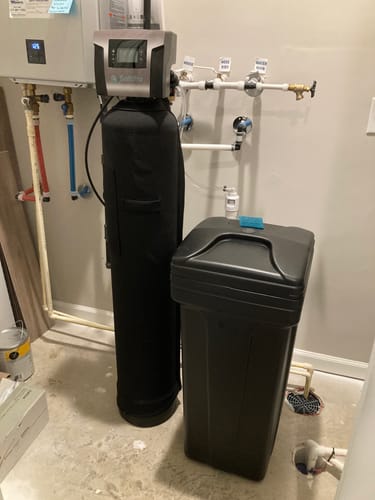
After researching water softeners for three months, I was overwhelmed by the options. Salt-based systems, salt-free conditioners, reverse osmosis - each claiming to be the best solution. I visited local dealers, read countless reviews, and even had my neighbor's Culligan technician explain their system during a service call.
The SoftPro ECO caught my attention for several key reasons. First, it's specifically designed for city water applications, addressing the unique challenges of treated municipal water. Unlike well water systems that deal with iron and sulfur, city water softeners need to handle chlorine, chloramines, and varying mineral content that changes seasonally.
The high-efficiency resin bed was a major selling point. Traditional ion exchange systems use standard resin that requires frequent regeneration. The SoftPro ECO uses premium-grade resin with a 1.5 cubic foot capacity, allowing it to handle our household's water usage - approximately 300 gallons daily - with regeneration cycles every 5-6 days instead of daily like some smaller units.
I also appreciated the digital control head with look-ahead technology. Instead of regenerating on a fixed schedule, it calculates remaining capacity based on actual usage patterns and water hardness levels. This meant less salt consumption and fewer interruptions to our water supply.
Installation Day: What Actually Happened
I opted for professional installation despite being relatively handy. The SoftPro technician arrived exactly on time with all necessary fittings and materials. My basement setup required some creativity - the main water line comes in near the furnace, leaving limited space for the 54-inch tall softener.
The installation took about four hours. The most time-consuming part was installing the bypass valve system and connecting the drain line for regeneration cycles. Our setup required a 20-foot drain run to reach the utility sink, which meant snaking flexible tubing through floor joists.
One challenge we didn't anticipate?
The electrical requirements. The control head needs a standard 115V outlet, but our basement circuit was already maxed out. We had to run a new dedicated line from the panel - an additional $200 expense I hadn't budgeted for.
The technician programmed the system based on our water test results: 18 GPG hardness, family of four, estimated daily usage of 280-320 gallons. He set regeneration for 4 AM to minimize disruption and walked me through the digital display functions. The initial fill and startup took another 30 minutes, and we had soft water flowing by late afternoon.
First Results: The Immediate Changes

The transformation wasn't instant, but I noticed improvements within 48 hours. The first sign was my morning shower - no more squeaky feeling on my skin, and my hair felt noticeably softer. The tight, dry sensation I'd grown accustomed water softener system to simply disappeared.
By day three, the dishwasher test proved the system was working. Glasses came out crystal clear without any white spots or film. I actually thought something was wrong with our dishes - they looked newer than they had in years. The stainless steel interior of the dishwasher itself started looking cleaner with each cycle.
Coffee quality improved dramatically. That metallic taste I'd blamed on our aging coffee maker was actually mineral interference. The same beans, same brewing method, but completely different flavor profile. Even my husband, who's not particularly sensitive to taste differences, commented on how much better our morning coffee had become.
Did you know that soft water requires less soap and detergent?
I discovered this accidentally when my usual amount of dish soap created way more suds than expected. I had to reduce soap usage by about 30% across the board - dishes, laundry, hand washing, everything. This wasn't just an environmental benefit; it translated to real cost savings over time.
Performance After Eight Months of Daily Use
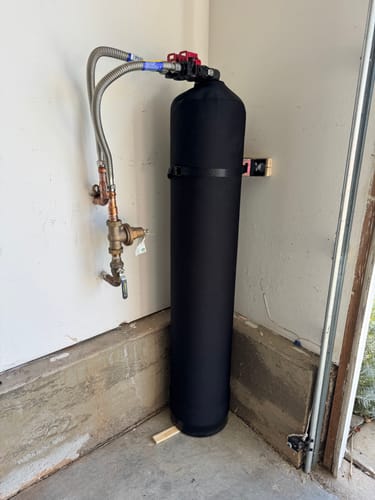
Now, eight months into ownership, I can provide a realistic assessment of long-term performance. The system consistently delivers soft water at 1-2 grains per gallon - well within the ideal range for household use. I test monthly using TDS and hardness strips to monitor performance.
Regeneration cycles occur every 5-6 days, consuming approximately 40 pounds of salt per month. With Morton System Saver salt costing about $6 per bag, monthly operating costs run $18-24 for salt plus minimal electricity for the control head. This is actually lower than the manufacturer's estimates, likely due to the efficient resin and our consistent usage patterns.
Water pressure remains excellent throughout the house. I was concerned about flow restriction, but even with multiple fixtures running simultaneously - shower, washing machine, and kitchen sink - pressure stays strong. The system handles peak demand without any noticeable reduction in performance.
The digital display provides valuable information about system status, days until next regeneration, and salt level monitoring. I appreciate being able to check capacity remaining and plan salt purchases accordingly. The look-ahead regeneration has worked flawlessly, never running out of capacity unexpectedly.
Real Impact on Household Cleaning and Maintenance
The most significant long-term benefit has been reduced cleaning time and improved results. Bathroom fixtures that previously required weekly scrubbing with CLR now stay clean with simple weekly wipes. The shower doors, which were permanently etched with mineral deposits, haven't developed new spots since installation.
Our washing machine performance improved noticeably. Clothes feel softer, colors stay brighter, and whites don't develop that dingy gray cast that hard water minerals cause over time. I've reduced fabric softener usage by half while achieving better results. Towels maintain their absorbency longer without that stiff, scratchy texture.
What surprised me most about the kitchen improvements?
Ice cubes became crystal clear instead of cloudy, and they don't leave residue in drinks. The automatic ice maker in our refrigerator stopped jamming - apparently, mineral buildup was causing cubes to stick together. Even our pasta and rice cook more evenly now that minerals aren't interfering with water absorption.
Appliance maintenance has decreased significantly. The dishwasher's heating element, which had visible mineral coating before, now looks new. I haven't needed to run cleaning cycles or use dishwasher cleaners since the softener installation. The garbage disposal runs quieter and hasn't developed the mineral odors that plagued it previously.
Operating Costs and Maintenance Reality
Let me be transparent about ongoing expenses because this was my biggest concern before purchasing. Monthly salt costs average $20-25, depending on usage and salt prices. I buy Morton System Saver pellets in 40-pound bags, typically purchasing 3-4 bags every 2-3 months to take advantage of bulk pricing.
Electricity consumption is minimal - the digital control head uses about the same power as a cable modem. Water usage for regeneration cycles averages 40-50 gallons every 5-6 days, which adds roughly $8-10 monthly to our water bill. Total operating costs run approximately $35-40 per month.
Maintenance has been simpler than expected. Monthly tasks include checking salt levels and adding bags as needed - usually 2-3 bags per month. Every six months, I clean the brine tank and check for salt bridging, though this hasn't been an issue with quality salt pellets. The system includes a resin cleaner cycle that runs automatically, requiring no intervention.
Annual costs break down to approximately $300-350 for salt, $100-120 for increased water usage, and $50-75 for miscellaneous supplies like test strips. Compared to our previous expenses for bottled water, cleaning products, and appliance repairs, this represents significant savings.
Who Should and Shouldn't Consider This System
After eight months of real-world experience, I can honestly assess who would benefit most from the SoftPro ECO. This system excels for households dealing with moderate to high hardness city water - typically 10 grains per gallon. If you're spending significant time cleaning mineral deposits, dealing with dry skin and hair, or replacing appliances prematurely due to mineral buildup, this addresses those problems effectively.
Families using 200 gallons daily will appreciate the capacity and efficiency. The regeneration schedule works well for consistent water usage patterns, and the salt consumption is reasonable for the performance delivered. If you're committed to maintaining the system properly and don't mind monthly salt purchases, ownership is straightforward.
However, this might not be the best choice if you're renting, have very soft water already (under 7 grains), or are looking for a maintenance-free solution.
The upfront investment and ongoing salt costs may not justify the benefits for households with minimal hardness issues. Additionally, if you're frequently away from home for extended periods, the regeneration schedule might not align well with irregular usage patterns.
Budget-conscious buyers should also consider that professional installation, electrical requirements, and ongoing maintenance represent real costs beyond the initial purchase price. While the system performs as advertised, it's not an inexpensive solution to water quality issues.
Final Verdict: Would I Buy It Again?
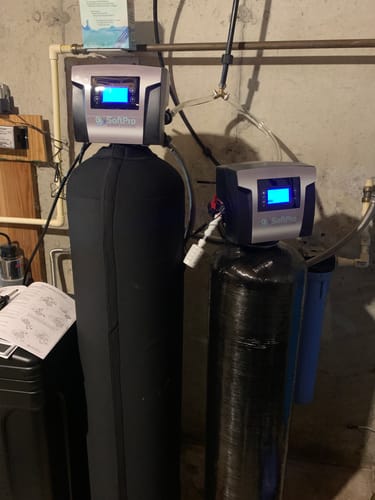
Looking back on this eight-month journey, I'm genuinely satisfied with the decision to invest in the SoftPro ECO City Water Softener. The system has delivered consistent results, operated reliably, and addressed every water quality issue that prompted my original research.
The most compelling evidence is how normal soft water has become in our household. We don't think about mineral spots, appliance maintenance, or skin irritation anymore - problems that once frustrated us daily are simply gone. When friends visit, they comment on how clean everything looks and how good our coffee tastes.
Would I purchase this system again knowing what I know now?

If you're dealing with similar hard water challenges and have realistic expectations about maintenance requirements and costs, the SoftPro ECO delivers on its promises. It's not magic, but it's effective, reliable engineering that solves real household water quality problems. For us, that's exactly what we needed.